Executive Summary
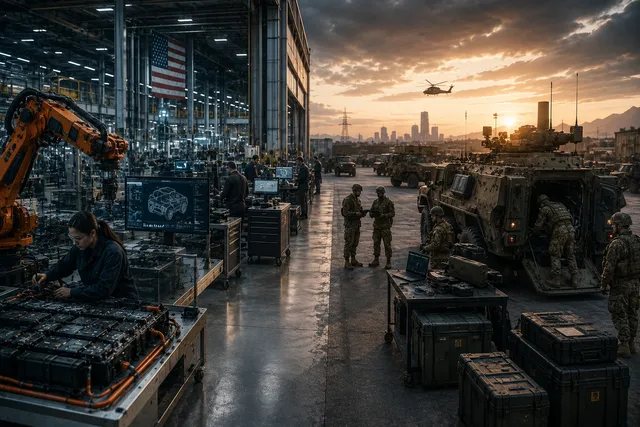
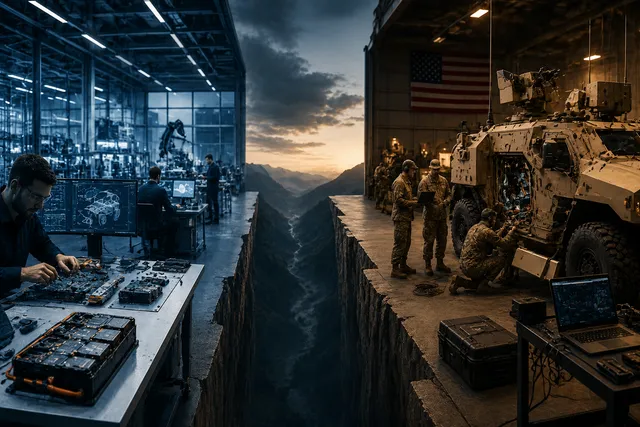
Technology transition in defense — moving a capability from development to fielded use — is one of the most consistently difficult problems in the defense acquisition system. The so-called "valley of death" between early-stage technology demonstration and program-of-record fielding has ended many promising defense technology efforts. Strategic partnerships are a primary mechanism for crossing that valley. This article analyzes what makes defense technology partnerships effective, what forms they take, and what organizations need to be able to offer before pursuing them.
Why Technology Transition Fails
Technology transition failure follows predictable patterns. The most common: capability solutions looking for problems rather than capability filling a validated requirement; technology maturity levels (TRL) too low for the acquisition stage being targeted; no program office champion — someone inside the acquiring organization who will advocate for the technology through the acquisition decision process; and no transition plan — a specific, funded path from current state to fielded capability.
An additional failure mode specific to commercial organizations: relationship-led without contract vehicle — a strong personal relationship with a program manager that cannot lead to a contract because no appropriate vehicle exists and there is no plan to create one.
Forms of Defense Technology Partnerships
Effective defense technology partnerships take several forms depending on the capability, the acquisition stage, and the organizational structures involved.
Cooperative Research and Development Agreements (CRADAs)
CRADAs allow federal laboratories to work with private sector partners on mutually beneficial R&D. The federal lab provides expertise, equipment, and facilities; the partner provides complementary resources. CRADAs do not result in direct contracts but can build the technical relationships and evidence base for subsequent acquisition programs.
Other Transaction Agreements (OTAs)
As discussed in previous SOSRA analysis, OTAs provide flexibility outside the FAR. Consortium OTAs — managed by organizations like the National Security Technology Accelerator (NSTXL) or Advanced Technology International (ATI) — allow smaller commercial entities to participate in defense prototype work alongside primes. The technology transition pathway from OTA prototype to program of record requires explicit planning from the start.
Prime-Subcontractor Teaming
The most straightforward partnership form for commercial organizations new to defense: subcontracting under an established prime that has the vehicle, the past performance, and the customer relationships. The commercial organization provides specific capability; the prime provides the acquisition infrastructure. Effective teaming agreements clearly define IP ownership, work share, and the path to prime status if the commercial organization grows its defense posture.
What Organizations Need Before Pursuing Partnerships
Before approaching a potential defense partner, a commercial organization needs to be able to answer four questions clearly: What validated requirement does the capability address? What is the technology readiness level, and what evidence exists to support that assessment? What is the specific path to a contract — what vehicle, what program office, what solicitation? What does the partner get from the relationship?
Organizations that cannot answer these questions are not ready for partnership conversations. Partners — whether primes, government labs, or intermediary organizations — invest relationship capital in partners they believe can deliver. Showing up underprepared damages the relationship before it starts.
The Relationship Infrastructure
Strategic partnerships in defense require relationship infrastructure to sustain over acquisition timelines that span years. The organizations that succeed long-term in defense technology transition have: consistent presence at relevant industry events (AUSA, AFCEA, service-specific symposia), participation in appropriate industry associations and working groups, a track record of following through on commitments made in relationship development conversations, and technical representatives who can speak credibly to capability in front of government evaluators.
SOSRA's Analytical Position
SOSRA Defense provides structure, market intelligence, and pathway analysis for organizations pursuing defense partnerships. We document capability-requirement alignment, identify the right partnership forms for specific situations, and support relationship development with the organizational foundation that makes relationships productive. We do not fabricate introductions, imply privileged government access, or guarantee partnership outcomes. The relationship is the client's to build — we help them show up ready.